1. What actually lives in your gut.
Inside your colon right now is a city of roughly 38 trillion bacteria — about the same number as the total cells in the rest of your body[1]. The old textbook line that bacteria outnumber human cells 10-to-1 turned out to be wrong; the real ratio is closer to 1-to-1. But "tied" is still extraordinary. You are, by cell count, half microbe.
Most of those bacteria live in your large intestine (the colon), with smaller populations in the small intestine and stomach. The density rises dramatically as you move down: the stomach is nearly sterile thanks to acid, while a single millilitre of colon contents contains around 100 billion bacterial cells — roughly the population of every human who has ever lived, in a teaspoon.
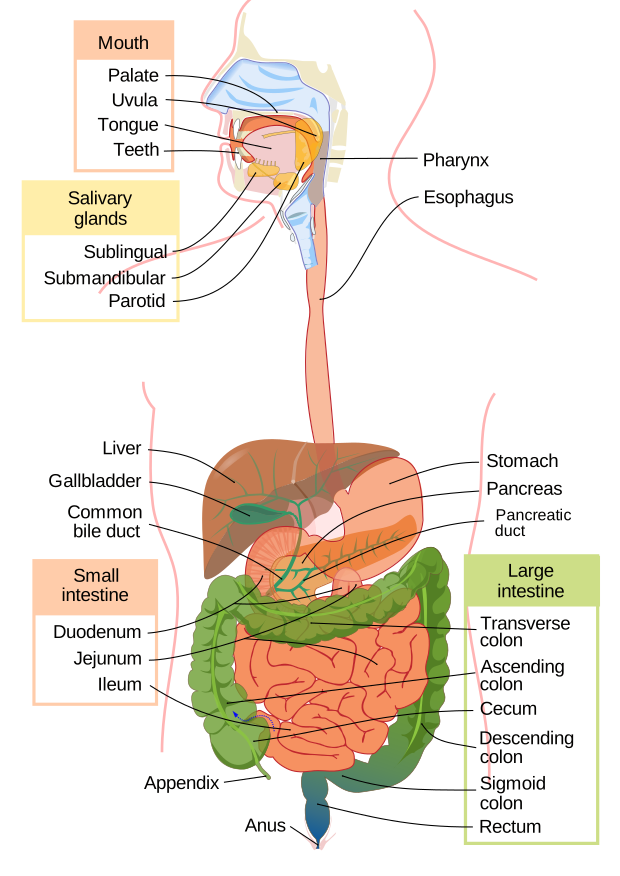
What does this city look like? At the broadest level, the bacteria in a healthy adult gut sort into a handful of large families ("phyla") — mostly Firmicutes and Bacteroidetes, with smaller populations of Actinobacteria (including the well-known Bifidobacterium), Proteobacteria, and Verrucomicrobia (including Akkermansia muciniphila, which we'll meet again later). Beneath the families, you carry hundreds to thousands of different bacterial species, plus archaea, fungi, and viruses.
The first deep gene-counting work, published in Nature in 2010, catalogued roughly 3.3 million distinct microbial genes in the human gut — about 150 times more genes than your own human genome carries[3]. Later work from the Human Microbiome Project showed that, while everyone's species list looks different, the jobs those species do — fermenting fiber, making vitamins, training the immune system — are remarkably consistent from person to person[2]. Two strangers can share less than 30% of the same bacterial species and both be perfectly healthy.
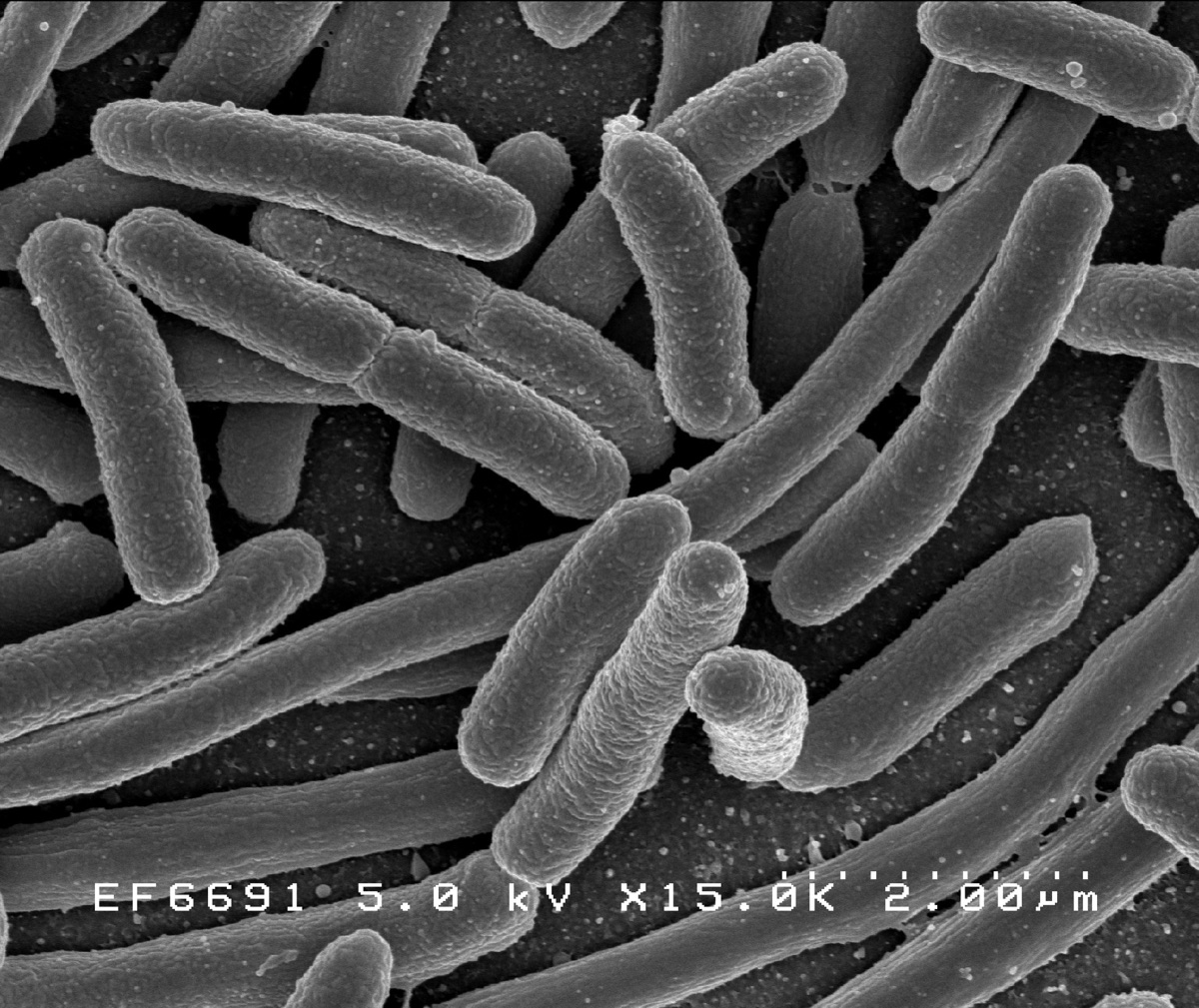
Two simple ideas show up over and over in this field:
- Diversity — how many different bacterial species are present in your gut. Researchers call this "alpha diversity." Across cohort studies, higher diversity tracks loosely with better metabolic and immune health — though it's not a strict more-is-better rule.
- Variation between people — how different your microbiome looks from the person next to you. Called "beta diversity." This is what shifts when you change your diet, move countries, take antibiotics, or develop disease.
2. How scientists (and consumer tests) actually measure your microbiome.
You can't see your microbiome with a microscope alone — you have to read its DNA. Two methods dominate.
16S sequencing reads one specific bacterial gene (called the 16S ribosomal RNA gene). Every bacterium has it, and tiny differences in the gene act like a barcode. 16S is cheap, fast, and gets you down to the genus level — roughly "what families of bacteria are here." Most consumer microbiome tests (Viome, Thryve, BIOHM, Tiny Health) use this.
Shotgun metagenomics reads all the DNA in the sample. This tells you which specific strains are present and what genes they carry — so you also learn what those bacteria can do, not just who they are. It's several times more expensive but far more informative. Most large research cohorts have moved to shotgun as the price has dropped[2,33].
Two related tests get sent to consumers but measure something different:
- Fecal calprotectin — a stool test for a protein released by immune cells in an inflamed gut. It tells you whether the gut is inflamed (high in IBD; normal in IBS), not what bacteria are present. It's the most clinically useful stool test for separating inflammatory from non-inflammatory bowel complaints.
- Zonulin — a blood test sold as a "leaky gut" marker. The story is more complicated than the marketing. Alessio Fasano's group originally proposed it as a measure of intestinal permeability[21]. But independent reviews have shown that the commercial zonulin assays detect a family of related proteins, not zonulin specifically, and the values don't correlate well with the gold-standard test for gut permeability[22]. Treat zonulin numbers from a consumer panel cautiously.
One uncomfortable practical fact: even shotgun sequencing of your microbiome is noisy. The PREDICT cohort (1,098 deeply phenotyped people) showed that the day-to-day variation inside a single person is large enough that any one snapshot — including the kind you mail in to a consumer service — should be read as approximate rather than diagnostic[33].
3. Your gut is where most of your immune system lives.
The single most under-appreciated fact in human immunology: roughly 70% of your immune cells live in or just under the lining of your gut[4,5]. This makes sense once you stop to think about it. Your skin is the body's outer wall. Your gut lining is its inner wall — and the inner wall has trillions of foreign organisms pressed against it 24 hours a day. The immune system has to be there, and it has to be subtle: ready to attack a pathogen, but not so jumpy that it sets fire to the helpful bacteria right next door.
What separates that immune army from the bacteria? Just one cell. Your gut wall is a single layer of cells, sealed at the edges by "doorman" proteins (called tight junctions) and covered by a thin blanket of mucus and antibodies. On the inside of that one-cell wall sits the immune outpost — what scientists call gut-associated lymphoid tissue, or GALT. On the outside sits the microbial city. The whole conversation between them happens through that one-cell gap.
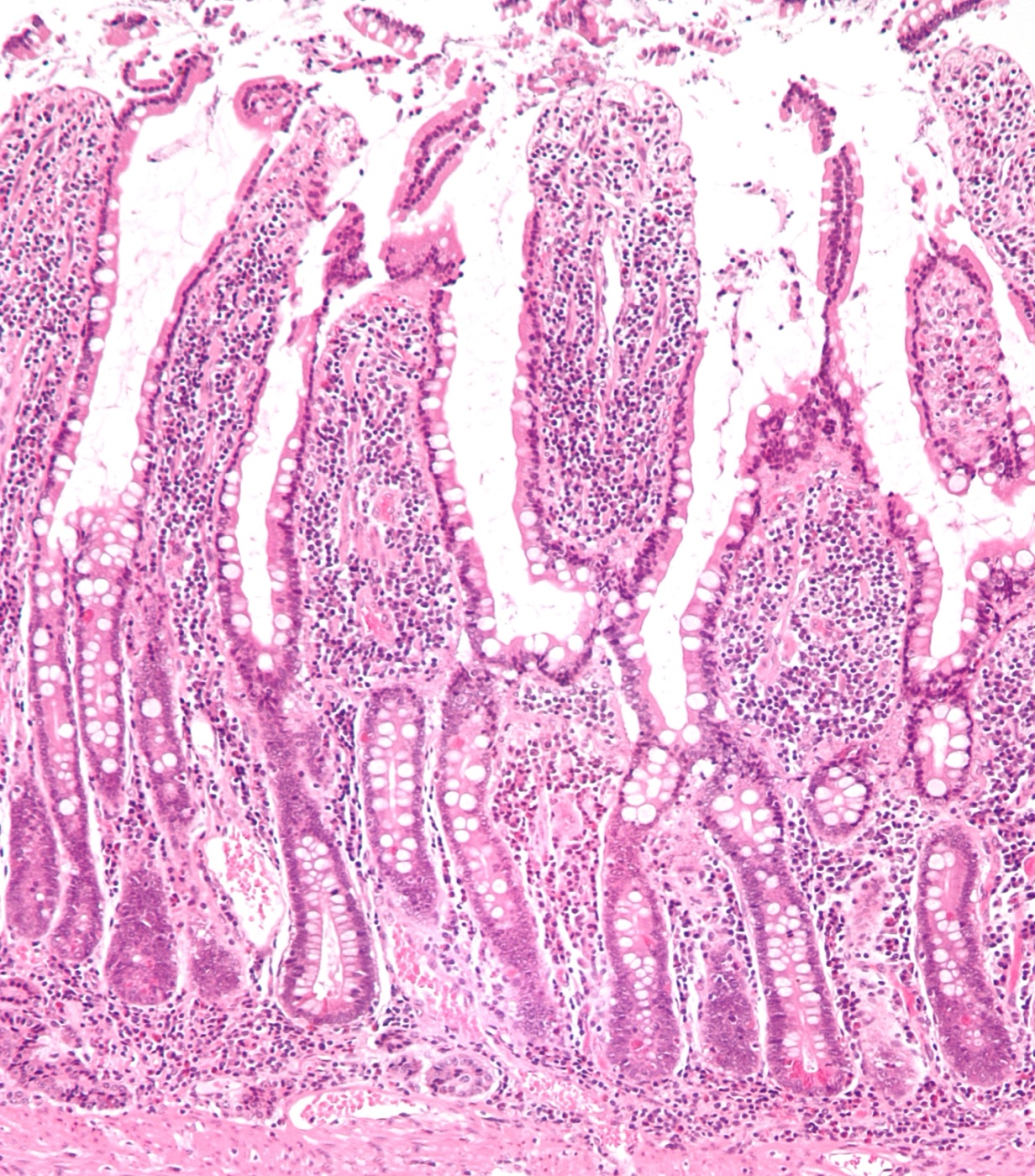
Two breakthrough papers in the early 2010s changed how immunologists think about that conversation. First, a team at the University of Tokyo showed that a small group of about 17 specific Clostridium bacteria — all native to the human gut — was enough on its own to teach the immune system to grow more "brake-pedal" cells (called regulatory T cells, or Tregs) that calm down inflammation[7]. Without those bacteria, the immune system runs hot.
Second, two independent labs showed how the bacteria actually send that "calm down" signal. When fiber-eating bacteria ferment the fiber you eat, they produce short-chain fatty acids — mainly butyrate, propionate, and acetate. Those fatty acids are absorbed by your gut wall and used both as fuel and as a hormone-like signal that tells the immune system to grow more brake-pedal cells[8,9]. Butyrate in particular feeds the cells lining your colon directly.
The practical upshot: a gut full of fiber-eating bacteria tilts your whole immune system toward calm and tolerant. A gut with very few fiber-eaters — typically the result of years of a low-fiber, high-processed diet — tilts it toward chronic, low-grade inflammation. This is why everything below this point in the guide — brain, skin, autoimmunity — keeps coming back to fiber.
4. The gut–brain axis: how your gut talks to your head.
The phrase "gut feeling" turns out to be more literal than anyone expected. Your gut and your brain are wired together in four overlapping ways — through nerves, through chemicals the bacteria make, through the immune system, and through hormones. The Cryan group's 2019 review in Physiological Reviews is the field's reference book on this; it runs over 130 pages[11].
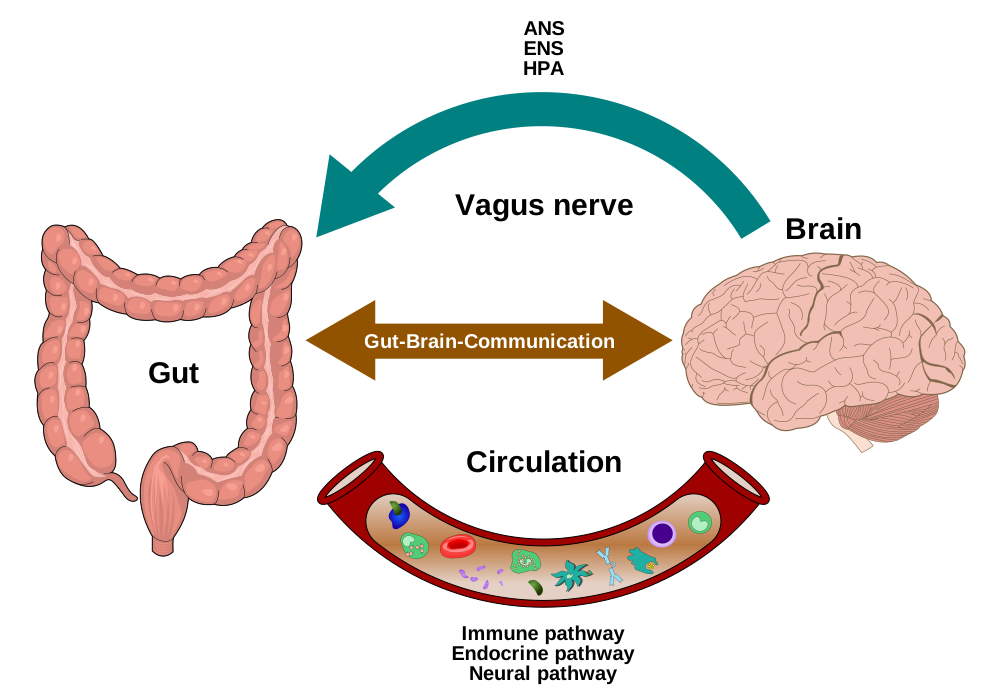
(1) The vagus nerve. The vagus is a single long nerve that runs from your brainstem all the way down to your gut — and roughly 80% of its fibers carry signals upward, from gut to brain, not the other way around. Animal experiments that surgically cut the vagus cancel many of the gut-microbe effects on behavior, which tells us the nerve isn't a passive wire — it's the main phone line[11].
(2) Chemicals the bacteria make. Two are especially striking. About 90% of your body's serotonin — the neurotransmitter most associated with mood — is made in your gut, not your brain, and a single Caltech paper in 2015 showed that the production is regulated by specific spore-forming bacteria[12]. Other commensals (notably certain Bacteroides species) directly produce GABA, the brain's main "calm down" neurotransmitter[15]. And the short-chain fatty acids from §3 cross the blood-brain barrier and tune the brain's resident immune cells (microglia); germ-free mice show defective microglia that recover after the gut is re-colonized[14].
(3) The immune route. Cytokines (immune-system signaling proteins) and pieces of bacterial cell walls travel from gut to brain through the bloodstream. This becomes important — and harmful — when the gut wall is leaky and lets bacterial bits through that shouldn't be there (more on this in §6).
(4) The stress axis. The microbiome calibrates how reactive your stress system is from birth. Animals raised germ-free have an exaggerated cortisol response to stress, which is partially reversed by colonizing them with a single bacterial species, Bifidobacterium infantis[11].
The most striking translational finding so far: Sampson and colleagues at Caltech transplanted gut bacteria from Parkinson's-disease patients into genetically Parkinson's-prone mice and accelerated motor symptoms[13]. That doesn't mean the microbiome causes PD — but it does mean microbial signaling participates in how the disease progresses, even when the genetic risk is fixed.
5. The gut–skin axis: why dermatologists are paying attention.
Your skin and your gut are talking to each other through your bloodstream. The conversation goes through three routes: low-grade inflammation, the same short-chain fatty acids from §3, and bacterial breakdown products of dietary tryptophan that activate skin-immune signaling. The 2018 Salem review in Frontiers in Microbiology is a good overview[16]; Mahmud's 2022 update extends it to specific therapies[18].
Atopic dermatitis (eczema). Babies who go on to develop eczema show lower gut microbial diversity in the first months of life — particularly lower Bifidobacterium — long before their first rash. The Lee 2018 review walks through the human cohort evidence[20].
Psoriasis. Psoriasis patients consistently show a particular gut pattern: less Akkermansia muciniphila, less Faecalibacterium prausnitzii (one of the best-known butyrate-producers), and more Ruminococcus gnavus[19]. We don't yet know whether the gut shift causes the disease or follows from it, but the association replicates across studies.
Acne. In 2011, Bowe and Logan revived an old "gut-brain-skin" idea originally proposed in the 1930s: stress slows digestion, gut bacteria overgrow in the small intestine, inflammation goes up, acne gets worse[17]. Modern oral-probiotic trials for acne show a small benefit but are not yet conclusive. The food-and-skin connection is real but understudied at the rigour of the gut-and-immune connection.
6. Gut and autoimmunity: how the immune system starts attacking the body.
In an autoimmune disease, the immune system mistakes the body's own tissues for a threat. There are now dozens of conditions on the autoimmune list — type 1 diabetes, multiple sclerosis, rheumatoid arthritis, lupus, inflammatory bowel disease, celiac disease, Hashimoto's thyroiditis — and rates are rising in every wealthy country. Two microbiome-related mechanisms are now well established as part of the chain that leads from genetic risk to active disease.
A leaky gut wall ("intestinal permeability"). When those doorman proteins from §3 loosen up, bacterial products that should stay in the gut — pieces of bacterial cell walls (LPS), flagellar proteins — leak into the bloodstream. The immune system reads these as a "we're being invaded" signal and turns on. In genetically susceptible people, the wheat protein gliadin can trigger this directly[21]. Mu and colleagues' 2017 review in Frontiers in Immunology walks through the multi-step path from genes → gut leak → autoimmunity[30].
Bacterial impersonation ("molecular mimicry") and bacteria escaping the gut. Some gut bacteria carry proteins that look like human proteins. When the gut wall leaks, those bacteria can escape into other organs — particularly the liver and lymph nodes — where the immune system attacks them and ends up also attacking the look-alike human tissue. Manfredo Vieira's 2018 paper in Science showed this end-to-end in lupus-prone mice and matched the pattern in liver biopsies from human lupus patients[27].
Below is a condensed view of what each major autoimmune disease looks like at the microbiome level. Every row points to a primary peer-reviewed paper, not a popular-press summary.
| Disease | Microbiome finding | Source |
|---|---|---|
| Type 1 diabetes | Babies who later develop T1D show reduced diversity and reduced short-chain-fatty-acid production months before diagnosis — TEDDY cohort, 783 infants | [23] |
| Multiple sclerosis | In MS-prone mice, autoimmune nerve-damage requires the presence of gut bacteria — germ-free mice don't develop the disease. Humans with MS show consistent shifts in Akkermansia, Methanobrevibacter, Butyricimonas | [24,25] |
| Rheumatoid arthritis | Expansion of Prevotella copri in the gut tracks with new-onset, untreated RA — and gives mice arthritis when they're colonized with it | [26] |
| Lupus (SLE) | Reduced Firmicutes/Bacteroidetes ratio; the bacterium Enterococcus gallinarum escapes the gut and drives autoimmunity in lupus-prone mice with the same pattern in human liver biopsies | [27,29] |
| Inflammatory bowel disease (IBD) | Less diversity; far fewer butyrate-producers (Faecalibacterium, Roseburia); more Proteobacteria; altered bile-acid handling — HMP2 multi-omics study | [28] |
| Celiac disease | Gliadin (wheat) triggers gut-wall opening in people with the HLA-DQ2/DQ8 genes; gut microbiome shifts toward Proteobacteria before diagnosis | [21] |
None of this means changing your gut bacteria will cure these diseases. It does mean that the microbiome is part of the chain that leads from genetic risk to actual illness — which is why microbiome-aware prevention (especially in the first years of life, and around antibiotic use) is now a real research field.
7a. Why your microbiome eats what it eats.
Here's the trick most diet advice misses: your gut bacteria don't eat the same food you do. The food you digest — most carbs, protein, fat — gets absorbed in your small intestine long before it reaches the colon, where 95% of your microbes live. What reaches them is the leftovers: the fiber and resistant starches your own enzymes can't break down, plus polyphenols (plant compounds in berries, tea, olive oil, dark chocolate) that mostly survive the trip.
Researchers call this leftover food "microbiota-accessible carbohydrates," or MACs[31]. When bacteria ferment MACs in the colon, they release the short-chain fatty acids (SCFAs) from §3 — butyrate, propionate, acetate — which feed the gut wall, tune the immune system, and even cross the blood-brain barrier[44]. So when you eat fiber, you are literally not eating it for yourself; you are feeding your bacteria so they can feed your gut, your immune system, and your brain[43].
Diet shifts the microbiome fast. The David et al Nature 2014 study put healthy adults on either an all-animal-product diet (meat, eggs, cheese) or an all-plant diet for five days and saw measurable, reproducible shifts in microbial composition within 24 hours[47]. The implication: the bacteria that show up in your stool sample today are partly the bacteria you fed yesterday.
7b. What to eat (and why).
Four broad categories cover almost everything that helps: a high and varied fiber intake, a wide variety of plants, daily fermented food, and polyphenol-rich foods. None of these are exotic; the trouble is that the typical Western diet shorts all four.
1) Hit a real fiber target — 40 to 50 grams a day.
The typical Western adult eats about 15 grams of fiber a day. The dietary recommendation in most countries is ~25–30 g. The dose where the microbiome reliably benefits is closer to 40–50 g, with traditional high-fiber populations (rural African, Tarahumara, Hadza) eating 80–150 g/day[48]. O'Keefe's African-American/rural-African diet-swap study showed that simply swapping the two diets for two weeks rapidly reversed each group's inflammation markers and microbiome patterns[48].
Not all fiber is the same. Different bacteria eat different kinds:
| Fiber type | Best food sources | Why it matters |
|---|---|---|
| Soluble fermentable (β-glucan, pectin) | Oats, barley, apples, citrus, legumes, psyllium | Feeds Bifidobacterium and Faecalibacterium; big SCFA producer |
| Resistant starch | Cooked-then-cooled rice and potatoes, green bananas, legumes, oats | Slips past the small intestine and ferments in the colon — strong butyrate producer |
| Inulin / FOS / GOS | Onions, garlic, leeks, asparagus, chicory root, Jerusalem artichoke, slightly under-ripe bananas | Selectively grows Bifidobacterium; the classic "prebiotic" |
| Insoluble | Wheat bran, leafy greens, nuts, seeds, vegetable skins | Stool bulk + faster transit; partial fermentation |
Practical tip: if you're currently under 20 g/day, ramp up slowly over 2–4 weeks. Going from 15 g to 50 g overnight gives most people gas and bloating that fades after the colon adapts — but it can feel bad enough to abandon the change.
2) Aim for 30+ different plants per week.
The American Gut Project — the largest crowdsourced microbiome dataset in the world — found that people eating more than 30 different plant species per week had significantly higher gut microbiome diversity than people eating fewer than 10, with the curve roughly leveling off after 30[52]. Different plants feed different bacteria, so variety matters as much as volume.
"Plants" is generous here: it counts vegetables, fruits, legumes, nuts, seeds, whole grains, herbs, and spices. A handful of basil counts. A teaspoon of cumin counts. A serving of mixed berries counts as multiple. A meal of lentil-and-vegetable curry over brown rice with a side salad can easily knock 8–10 different plants off the list in one sitting.
3) Eat fermented foods daily.
The Sonnenburg lab at Stanford ran the most important diet-microbiome trial of the last decade. Over 10 weeks, healthy adults eating ~6 servings/day of fermented foods (yogurt, kefir, cottage cheese, kimchi, sauerkraut, kombucha, fermented vegetable brines) had measurable increases in microbial diversity and simultaneous drops in 19 separate inflammation markers in their blood[32]. The high-fiber arm of the same trial produced more variable individual responses but a similar direction.
What counts as fermented:
| Food | Notes |
|---|---|
| Plain yogurt with live cultures | Look for "live and active cultures" on the label; flavored sugary yogurts add a lot of added sugar — choose plain and add fruit yourself |
| Kefir | Richer in bacterial diversity than yogurt; typically ~10–30 different strains; available dairy or non-dairy |
| Sauerkraut, kimchi, fermented vegetables | Must be unpasteurized — the live cultures section of the refrigerator, not the canned-goods aisle. Heat kills the bacteria. |
| Kombucha | Lower bacterial counts than dairy ferments. Watch the sugar — many commercial brands add it back. Choose ≤4 g sugar per serving where possible. |
| Miso, natto, tempeh | Soy-based ferments. Miso is destroyed by boiling — stir into soup off the heat. Natto is an acquired taste but an outlier in vitamin K2 too. |
| Aged cheeses (washed-rind, Roquefort, etc.) | Contain live cultures, though usually fewer than yogurt. Counts as a fermented food. |
A practical pattern: yogurt or kefir with breakfast, a spoonful of kimchi or sauerkraut alongside lunch or dinner, miso soup or kombucha for the third serving. That's enough to land near the Wastyk trial dose.
4) Add polyphenol-rich foods.
Polyphenols are plant defense compounds (the same things responsible for the bitter notes in olive oil, the astringent edge of tea, and the dark color of berries). About 90–95% of dietary polyphenols pass undigested into the colon, where bacteria break them down into smaller, biologically active molecules. The PREDICT cohort showed that habitual polyphenol intake correlates strongly with both favorable microbiome composition and better post-meal metabolic responses[33].
High-polyphenol foods that are easy to add: berries (blueberries, raspberries, blackberries), 85%+ dark chocolate (small portions), extra-virgin olive oil (use as your default fat), green and black tea, coffee, red onion, herbs and spices (rosemary, thyme, oregano, turmeric, cloves), red wine if you drink alcohol at all.
The default pattern: Mediterranean-plus-fermented.
If you want one easy summary that hits all four points: a Mediterranean diet plus a daily serving of fermented food. Olive oil as the main fat. Fish, legumes, and modest poultry as protein. Heavy on vegetables, fruit, whole grains, nuts, and seeds. Daily yogurt or kefir or kimchi or sauerkraut. Coffee and tea. Modest red wine if any alcohol. Berries instead of biscuits. This single pattern lines up with everything in the evidence base above without needing a calculator.
7c. What to limit (and why).
Ultra-processed foods.
Kevin Hall's NIH inpatient trial in 2019 is the cleanest experiment ever done on this. Twenty adults lived on a metabolic ward and ate either an ultra-processed diet (packaged snacks, frozen meals, sugary cereals) or a whole-food diet matched for calories, protein, fat, carbs, sugar, sodium, and fiber. They were told to eat as much or as little as they liked. On the ultra-processed diet, people ate ~500 more calories per day and gained weight; on the whole-food diet, they lost weight. Same nutrients on paper, very different effect in the body[50].
Zinöcker and Lindseth's 2018 review summarises why this drives microbial damage too: ultra-processed foods are low in fiber and high in emulsifiers, preservatives, and additives that change gut microbe composition and erode the mucus layer[51].
Emulsifiers — the hidden ingredient.
Emulsifiers keep oil and water mixed in processed foods — common ones include carboxymethylcellulose, polysorbate-80, and (more contested) lecithin and carrageenan. Chassaing et al's 2015 Nature paper showed that at doses relevant to actual processed-food intake, these compounds erode the protective mucus layer in mice, let bacteria touch the gut wall directly, and trigger low-grade inflammation and metabolic syndrome[49]. The animal evidence is strong; the human evidence is still being built. Either way, looking for these names on the ingredient label and limiting them is a low-cost move.
Artificial sweeteners.
The Suez et al Nature 2014 paper showed that non-caloric sweeteners (saccharin, aspartame, sucralose) can induce glucose intolerance in mice and in some humans, via microbiome-mediated pathways[36]. The effect isn't universal — about 40% of people in the human arm were "responders" — but for those people the consequence is real. If you drink diet sodas regularly and have an unexplained pre-diabetic A1c, swap them out for a month and re-check.
Alcohol.
Even moderate chronic alcohol intake shifts gut microbiome composition and increases gut wall permeability — letting more bacterial products into the bloodstream where they drive low-grade inflammation[53]. The "red wine is good for longevity" argument has to be balanced against this. A glass of red wine adds polyphenols; a habit of two-or-more drinks a day adds gut leakiness.
Antibiotics — only when you really need them.
Antibiotics are life-saving and you should take them when prescribed for a clear bacterial infection. But repeated unnecessary courses — especially in childhood — leave lasting changes. Cox et al's 2014 Cell paper showed that low-dose antibiotic exposure during a critical early-life window in mice produced lasting metabolic and microbiome changes that persisted long after the antibiotics were stopped[35]. The matching human cohort data shows children with multiple antibiotic courses in the first year of life have higher rates of obesity and allergy. The takeaway isn't to refuse antibiotics — it's to refuse them for self-limiting viral colds where they don't help anyway.
Non-antibiotic drugs that still hit your microbiome.
Maier and colleagues screened over a thousand non-antibiotic prescription drugs against representative gut bacteria and found that roughly one in four blocked the growth of at least one species at normal consumer doses[34]. Proton-pump inhibitors (omeprazole, esomeprazole), metformin, atypical antipsychotics, and some antihistamines all leave a microbiome signature. None of this means stop them if you need them — it means know that the medication list is part of the microbiome picture and adjust other levers accordingly.
7d. A sample week.
Here is what hitting the fiber + plant-diversity + fermented + polyphenol targets looks like in practice for one normal week, with no weighing of food and no special ingredients. The goal: 40+ g fiber/day, 30+ distinct plants over the week, one fermented serving most days, polyphenols at every meal where possible.
| Day | Pattern |
|---|---|
| Mon | Breakfast: Greek yogurt + mixed berries + ground flax + walnuts. Lunch: lentil + roasted vegetable bowl with olive oil + lemon, side of kimchi. Dinner: salmon + roasted Brussels sprouts + quinoa. |
| Tue | B: overnight oats with chia, apple, cinnamon. L: chickpea + spinach curry over brown rice, plain yogurt on the side. D: minestrone soup with white beans + barley + 6 vegetables; bread + olive oil. |
| Wed | B: kefir smoothie with banana, frozen berries, oats, almond butter. L: big salad — mixed greens + chickpeas + roasted sweet potato + pumpkin seeds + tahini-lemon dressing. D: stir-fry with mixed peppers, onion, broccoli, tofu, garlic, ginger, brown rice. |
| Thu | B: two eggs + sautéed mushrooms + tomato + whole-grain toast. L: leftover stir-fry + side of sauerkraut. D: dal (any lentil) + roasted cauliflower + brown basmati + cucumber raita. |
| Fri | B: Greek yogurt + walnuts + a peach + honey. L: sourdough sandwich with hummus + grated carrot + spinach + olives + tomato. D: grilled fish + green beans + cold potato salad (resistant starch). |
| Sat | B: shakshuka — tomato + pepper + onion + eggs + chickpeas, herbs on top. L: grain bowl: farro + roasted vegetables + feta + olives + chickpeas. D: homemade pizza on whole-grain crust, tomato + arugula + olives, side salad with kimchi. |
| Sun | B: oatmeal with apple + cinnamon + walnuts + kefir on the side. L: miso soup (off the heat) + brown rice + edamame + seaweed salad. D: roast chicken + 4 different roasted vegetables + lentils, dark chocolate square + tea after. |
Across the week that's well over 30 distinct plants, easily 40+ g of fiber on most days, 5–7 different fermented foods, and polyphenols at almost every meal. No tracking required — the variety does the work.
7e. Beyond food: the other levers.
Exercise. Six weeks of structured aerobic exercise (without changing diet) increased butyrate-producing bacteria and stool butyrate in previously sedentary adults — and the gains went away within six weeks of going back to sedentary[37]. So exercise moves the microbiome too, but you have to keep doing it.
Sleep. Poor sleep disrupts the gut microbiome and the gut wall barrier in both directions — short sleep increases intestinal permeability, and a disturbed microbiome can in turn worsen sleep quality. The Cryan review covers the mechanistic detail[11].
Stress. Chronic stress changes microbial composition through the stress-axis route from §4 and increases gut permeability through cortisol effects on tight junctions. Stress management (meditation, exercise, time outside) shows up indirectly in microbiome health.
Time outside. Exposure to diverse environmental microbes — soil, animals, other people — also matters for diversity, particularly in early childhood. The "hygiene hypothesis" originally focused on allergy risk, but it overlaps with microbiome research on diversity and immune training.
7f. Where do you stand? An interactive checklist.
Fifteen items mapped to the evidence-backed habits above. Tick what's already true for you. Your score tells you which tier you're in — and where the highest-ROI moves are if you want to climb. Nothing is sent anywhere; the score is saved only to your own browser so you can revisit and update it as you change habits.
Tick what's already true for you. The score updates live. Saved to this browser only — nothing is submitted anywhere.
Pick one item below this week. Hitting 30+ plants/week is the single highest-ROI starting move.
8. Probiotics — what actually has evidence.
The plain truth about most probiotic supplements: they're sold with claims that the underlying evidence doesn't support. The 2019 Suez/Zmora/Elinav review in Nature Medicine is the canonical critical synthesis — read it before paying for a multi-strain capsule[40]. The headline conclusions: probiotic effects are strain-specific, not species-specific (a "Lactobacillus" on the label means very little); some people are "permissive" to probiotic colonization and some are "resistant," and there's no easy way to tell which one you are; and in many indications the trial evidence is no better than placebo at the effect sizes the marketing implies.
That said, specific strain × indication pairs do have replicated evidence. The shortlist:
| Strain | Indication | Evidence | Source |
|---|---|---|---|
| Saccharomyces boulardii | Preventing antibiotic-associated diarrhea | ~53% relative risk reduction vs placebo across multiple trials | [38] |
| Lactobacillus rhamnosus GG | Preventing antibiotic-associated diarrhea | ~42% relative risk reduction (JAMA meta-analysis, 63 trials) | [39] |
| Akkermansia muciniphila (pasteurized) | Insulin sensitivity, body composition (overweight/obese adults) | Proof-of-concept human RCT (n=32): improved insulin sensitivity, lower inflammation vs placebo | [46] |
One counter-finding worth knowing: Suez et al's 2018 paper in Cell showed that broad-spectrum oral probiotics taken after antibiotics actually delayed the return of the original microbiome compared with no intervention or with autologous fecal transplant[45]. So while specific strains (S. boulardii, LGG) reduce diarrhea symptoms during antibiotic treatment, defaulting to a generic multi-strain probiotic to "restore" your gut afterward may be counterproductive.
Prebiotics — the fiber types from §7b that selectively feed beneficial bacteria — are mechanistically cleaner than probiotics: they feed the bacteria you already have. Effective doses are typically 5–15 g/day of inulin, FOS, GOS, or resistant starch. Ramp slowly to avoid bloating; most people tolerate this in 2–3 weeks.
9. Fecal microbiota transplant — what actually works.
Fecal microbiota transplant (FMT) means transferring stool from a healthy donor into the gut of a recipient. It sounds extreme; it has one rock-solid indication and a long list of speculative ones.
The rock-solid indication is recurrent Clostridioides difficile infection — a particularly nasty gut infection that keeps coming back in some patients despite repeated antibiotic courses. The van Nood NEJM 2013 trial was stopped early for efficacy: FMT cured 81% of patients with recurrent CDI vs 31% on vancomycin alone[41]. The 2017 European consensus formalized FMT as standard-of-care for this condition[42], and the FDA has since approved two next-generation FMT-derived products (Rebyota in 2022, Vowst in 2023).
For everything else — IBD, IBS, metabolic syndrome, multiple sclerosis, autism — FMT trials are smaller and produce mixed results. There are signals, particularly in ulcerative colitis, but no equivalent of the CDI evidence base. Self-administered "DIY FMT" is genuinely dangerous: a 2019 death from a multi-drug-resistant E. coli in inadequately screened donor stool prompted the FDA to tighten donor-screening rules. Anyone considering FMT outside the CDI indication should do it through a clinical trial or a specialist clinic, not on their own.
10. When to skip the consumer microbiome test and see a doctor.
Most adult gut complaints — occasional bloating, irregular stools, mild dyspepsia — are functional rather than dangerous. They usually respond better to dietary changes (a low-FODMAP elimination trial, fiber titration) and stress management than to any test result. But certain symptoms are red flags that need a clinician's eye, not a $200 consumer kit:
- Blood in your stool — bright red or dark/tarry — at any frequency.
- Unintentional weight loss greater than ~5% of your body weight over 3–6 months.
- Persistent diarrhea lasting more than 4 weeks, especially if it wakes you at night.
- New abdominal pain after age 50, especially with anemia or a change in bowel habit.
- A first-degree family history of inflammatory bowel disease, celiac disease, or colorectal cancer diagnosed before age 50.
- Iron-deficiency anemia in an adult man or postmenopausal woman with no obvious cause.
The first work-up for these is usually a clinical interview, basic blood tests (CBC, ferritin, CRP, celiac panel) and a fecal calprotectin — then onward referral to gastroenterology if anything is off. Reading our hs-CRP interpreter and ferritin interpreter alongside any results helps you walk into the appointment knowing what the numbers mean.
References.
All references link to PubMed. Click any number in square brackets above to jump to its entry below; click "PubMed" to open the paper.
- Sender R, Fuchs S, Milo R. Revised estimates for the number of human and bacteria cells in the body. PLOS Biol. 2016;14(8):e1002533. PubMed: 27541692
- Lloyd-Price J, Mahurkar A, Rahnavard G, et al. Strains, functions and dynamics in the expanded Human Microbiome Project. Nature. 2017;550(7674):61–66. PubMed: 28953883
- Qin J, Li R, Raes J, et al. A human gut microbial gene catalogue established by metagenomic sequencing. Nature. 2010;464(7285):59–65. PubMed: 20203603
- Belkaid Y, Hand TW. Role of the microbiota in immunity and inflammation. Cell. 2014;157(1):121–141. PubMed: 24679531
- Round JL, Mazmanian SK. The gut microbiota shapes intestinal immune responses during health and disease. Nat Rev Immunol. 2009;9(5):313–323. PubMed: 19343057
- Honda K, Littman DR. The microbiota in adaptive immune homeostasis and disease. Nature. 2016;535(7610):75–84. PubMed: 27383982
- Atarashi K, Tanoue T, Shima T, et al. Induction of colonic regulatory T cells by indigenous Clostridium species. Science. 2011;331(6015):337–341. PubMed: 21205640
- Smith PM, Howitt MR, Panikov N, et al. The microbial metabolites, short-chain fatty acids, regulate colonic Treg cell homeostasis. Science. 2013;341(6145):569–573. PubMed: 23828891
- Furusawa Y, Obata Y, Fukuda S, et al. Commensal microbe-derived butyrate induces the differentiation of colonic regulatory T cells. Nature. 2013;504(7480):446–450. PubMed: 24226770
- Mowat AM, Agace WW. Regional specialization within the intestinal immune system. Nat Rev Immunol. 2014;14(10):667–685. PubMed: 25234148
- Cryan JF, O’Riordan KJ, Cowan CSM, et al. The Microbiota-Gut-Brain Axis. Physiol Rev. 2019;99(4):1877–2013. PubMed: 31460832
- Yano JM, Yu K, Donaldson GP, et al. Indigenous bacteria from the gut microbiota regulate host serotonin biosynthesis. Cell. 2015;161(2):264–276. PubMed: 25860609
- Sampson TR, Debelius JW, Thron T, et al. Gut microbiota regulate motor deficits and neuroinflammation in a model of Parkinson’s disease. Cell. 2016;167(6):1469–1480.e12. PubMed: 27912057
- Erny D, Hrabě de Angelis AL, Jaitin D, et al. Host microbiota constantly control maturation and function of microglia in the CNS. Nat Neurosci. 2015;18(7):965–977. PubMed: 26030851
- Strandwitz P, Kim KH, Terekhova D, et al. GABA-modulating bacteria of the human gut microbiota. Nat Microbiol. 2019;4(3):396–403. PubMed: 30531975
- Salem I, Ramser A, Isham N, Ghannoum MA. The gut microbiome as a major regulator of the gut-skin axis. Front Microbiol. 2018;9:1459. PubMed: 30042740
- Bowe WP, Logan AC. Acne vulgaris, probiotics and the gut-brain-skin axis — back to the future? Gut Pathog. 2011;3(1):1. PubMed: 21281494
- Mahmud MR, Akter S, Tamanna SK, et al. Impact of gut microbiome on skin health: gut-skin axis observed through the lenses of therapeutics and skin diseases. Gut Microbes. 2022;14(1):2096995. PubMed: 35866234
- Sikora M, Stec A, Chrabaszcz M, et al. Gut microbiome in psoriasis: an updated review. Pathogens. 2020;9(6):463. PubMed: 32545459
- Lee SY, Lee E, Park YM, Hong SJ. Microbiome in the gut-skin axis in atopic dermatitis. Allergy Asthma Immunol Res. 2018;10(4):354–362. PubMed: 29949831
- Fasano A. All disease begins in the (leaky) gut: role of zonulin-mediated gut permeability in the pathogenesis of some chronic inflammatory diseases. F1000Res. 2020;9:F1000 Faculty Rev-69. PubMed: 32051759
- Camilleri M. Leaky gut: mechanisms, measurement and clinical implications in humans. Gut. 2019;68(8):1516–1526. PubMed: 31076401
- Vatanen T, Franzosa EA, Schwager R, et al. The human gut microbiome in early-onset type 1 diabetes from the TEDDY study. Nature. 2018;562(7728):589–594. PubMed: 30356183
- Berer K, Mues M, Koutrolos M, et al. Commensal microbiota and myelin autoantigen cooperate to trigger autoimmune demyelination. Nature. 2011;479(7374):538–541. PubMed: 22031325
- Jangi S, Gandhi R, Cox LM, et al. Alterations of the human gut microbiome in multiple sclerosis. Nat Commun. 2016;7:12015. PubMed: 27352007
- Scher JU, Sczesnak A, Longman RS, et al. Expansion of intestinal Prevotella copri correlates with enhanced susceptibility to arthritis. eLife. 2013;2:e01202. PubMed: 24192039
- Manfredo Vieira S, Hiltensperger M, Kumar V, et al. Translocation of a gut pathobiont drives autoimmunity in mice and humans. Science. 2018;359(6380):1156–1161. PubMed: 29590047
- Lloyd-Price J, Arze C, Ananthakrishnan AN, et al. Multi-omics of the gut microbial ecosystem in inflammatory bowel diseases. Nature. 2019;569(7758):655–662. PubMed: 31142855
- Hevia A, Milani C, López P, et al. Intestinal dysbiosis associated with systemic lupus erythematosus. mBio. 2014;5(5):e01548-14. PubMed: 25271284
- Mu Q, Kirby J, Reilly CM, Luo XM. Leaky gut as a danger signal for autoimmune diseases. Front Immunol. 2017;8:598. PubMed: 28588585
- Sonnenburg ED, Sonnenburg JL. Starving our microbial self: the deleterious consequences of a diet deficient in microbiota-accessible carbohydrates. Cell Metab. 2014;20(5):779–786. PubMed: 25156449
- Wastyk HC, Fragiadakis GK, Perelman D, et al. Gut-microbiota-targeted diets modulate human immune status. Cell. 2021;184(16):4137–4153.e14. PubMed: 34256014
- Asnicar F, Berry SE, Valdes AM, et al. Microbiome connections with host metabolism and habitual diet from 1,098 deeply phenotyped individuals. Nat Med. 2021;27(2):321–332. PubMed: 33432175
- Maier L, Pruteanu M, Kuhn M, et al. Extensive impact of non-antibiotic drugs on human gut bacteria. Nature. 2018;555(7698):623–628. PubMed: 29555994
- Cox LM, Yamanishi S, Sohn J, et al. Altering the intestinal microbiota during a critical developmental window has lasting metabolic consequences. Cell. 2014;158(4):705–721. PubMed: 25126780
- Suez J, Korem T, Zeevi D, et al. Artificial sweeteners induce glucose intolerance by altering the gut microbiota. Nature. 2014;514(7521):181–186. PubMed: 25231862
- Allen JM, Mailing LJ, Niemiro GM, et al. Exercise alters gut microbiota composition and function in lean and obese humans. Med Sci Sports Exerc. 2018;50(4):747–757. PubMed: 29166320
- McFarland LV. Systematic review and meta-analysis of Saccharomyces boulardii in adult patients. World J Gastroenterol. 2010;16(18):2202–2222. PubMed: 20458757
- Hempel S, Newberry SJ, Maher AR, et al. Probiotics for the prevention and treatment of antibiotic-associated diarrhea: a systematic review and meta-analysis. JAMA. 2012;307(18):1959–1969. PubMed: 22570464
- Suez J, Zmora N, Segal E, Elinav E. The pros, cons, and many unknowns of probiotics. Nat Med. 2019;25(5):716–729. PubMed: 31061539
- van Nood E, Vrieze A, Nieuwdorp M, et al. Duodenal infusion of donor feces for recurrent Clostridium difficile. N Engl J Med. 2013;368(5):407–415. PubMed: 23323867
- Cammarota G, Ianiro G, Tilg H, et al. European consensus conference on faecal microbiota transplantation in clinical practice. Gut. 2017;66(4):569–580. PubMed: 28087657
- Sonnenburg JL, Bäckhed F. Diet-microbiota interactions as moderators of human metabolism. Nature. 2016;535(7610):56–64. PubMed: 27383980
- Koh A, De Vadder F, Kovatcheva-Datchary P, Bäckhed F. From dietary fiber to host physiology: short-chain fatty acids as key bacterial metabolites. Cell. 2016;165(6):1332–1345. PubMed: 27259147
- Suez J, Zmora N, Zilberman-Schapira G, et al. Post-antibiotic gut mucosal microbiome reconstitution is impaired by probiotics and improved by autologous FMT. Cell. 2018;174(6):1406–1423.e16. PubMed: 30193113
- Depommier C, Everard A, Druart C, et al. Supplementation with Akkermansia muciniphila in overweight and obese human volunteers: a proof-of-concept exploratory study. Nat Med. 2019;25(7):1096–1103. PubMed: 31263284
- David LA, Maurice CF, Carmody RN, et al. Diet rapidly and reproducibly alters the human gut microbiome. Nature. 2014;505(7484):559–563. PubMed: 24336217
- O’Keefe SJD, Li JV, Lahti L, et al. Fat, fibre and cancer risk in African Americans and rural Africans. Nat Commun. 2015;6:6342. PubMed: 25919227
- Chassaing B, Koren O, Goodrich JK, et al. Dietary emulsifiers impact the mouse gut microbiota promoting colitis and metabolic syndrome. Nature. 2015;519(7541):92–96. PubMed: 25731162
- Hall KD, Ayuketah A, Brychta R, et al. Ultra-processed diets cause excess calorie intake and weight gain: an inpatient randomized controlled trial of ad libitum food intake. Cell Metab. 2019;30(1):67–77.e3. PubMed: 31105044
- Zinöcker MK, Lindseth IA. The Western diet–microbiome–host interaction and its role in metabolic disease. Nutrients. 2018;10(3):365. PubMed: 29562591
- McDonald D, Hyde E, Debelius JW, et al. American Gut: an open platform for citizen science microbiome research. mSystems. 2018;3(3):e00031-18. PubMed: 29795809
- Bishehsari F, Magno E, Swanson G, et al. Alcohol and gut-derived inflammation. Alcohol Res. 2017;38(2):163–171. PubMed: 28988571
Related on Aayushnitya
- Vitiligo Guide →
The autoimmune-skin counterpart. Vitiligo shares the broader autoimmune background discussed in §6, including the gut–immune link — same family of disease, different target tissue.
- Fasting Guide →
Time-restricted eating shifts microbiome composition (it has a circadian rhythm too), and periodic fasting-mimicking diet has the strongest evidence for resetting overactive autoimmune signaling — directly relevant to the §6 autoimmune table here.
- CGM Beginner Playbook →
Glucose response is partly microbiome-driven (Asnicar 2021, PREDICT). Pair a 2-week CGM wear with the food changes in §7b to see your own response.
- hs-CRP Interpreter →
Low-grade systemic inflammation is one of the most consistent biomarker fingerprints of an unhealthy microbiome. Read your number here.
- Ferritin Interpreter →
Iron-deficiency anemia without an obvious cause is one of the red flags in §10 — start with the interpreter before any other test.
- Morning Glucose Distribution Poll →
Submit yours, see the community distribution. A useful baseline before the dietary experiments in §7b.
This guide is a synthesis of peer-reviewed research and is not medical advice. Diagnosis and treatment of any of the conditions discussed — IBD, celiac, autoimmune disease — requires a qualified clinician. If a symptom in §10 applies, do not self-treat with probiotics or dietary changes; seek evaluation.