The AIP diet is one of the most confidently marketed diets on the internet and one of the least studied. As of 2026, the entire human evidence base is two small, uncontrolled pilot studies totalling about 31 people[1,4]. This guide takes the mechanism seriously and explains the protocol in full — but it grades the evidence honestly. AIP is best understood as a structured, time-boxed self-experiment, not a proven treatment, and never a replacement for medical care.
1. What the AIP diet actually is.
The Autoimmune Protocol — usually shortened to AIP, sometimes called the "autoimmune paleo" diet — is a stricter offshoot of the paleo diet, designed and popularized for people with autoimmune conditions. It was developed largely outside academic medicine (the foundational popular book is Sarah Ballantyne's The Paleo Approach, 2013), and only later picked up by a handful of clinical researchers.
AIP is not really one diet — it is a two-phase process:
- Elimination phase (4–6 weeks, sometimes longer). You remove a long list of foods that the protocol theorizes can drive gut permeability and immune activation — all grains, legumes, dairy, eggs, nuts, seeds, nightshade vegetables, seed oils, refined sugar, alcohol, and most additives. You eat meat, fish, most vegetables, fruit in moderation, and a few specific fats. You stay there until symptoms meaningfully improve.
- Reintroduction phase (the part that actually matters). Once symptoms settle, you reintroduce foods one at a time, in a defined order, watching for a return of symptoms. The endpoint is not "AIP forever" — it is the widest, most varied diet you can eat without provoking symptoms. A permanent ultra-restrictive AIP is a failure mode, not a goal.
In other words, AIP is structurally an elimination diet — the same diagnostic logic doctors use for food allergy and intolerance — applied speculatively to autoimmune symptoms. That framing is the key to evaluating it honestly: a well-run elimination diet is a legitimate way to find your triggers, but it tells you nothing about whether the eliminated foods cause disease in general.
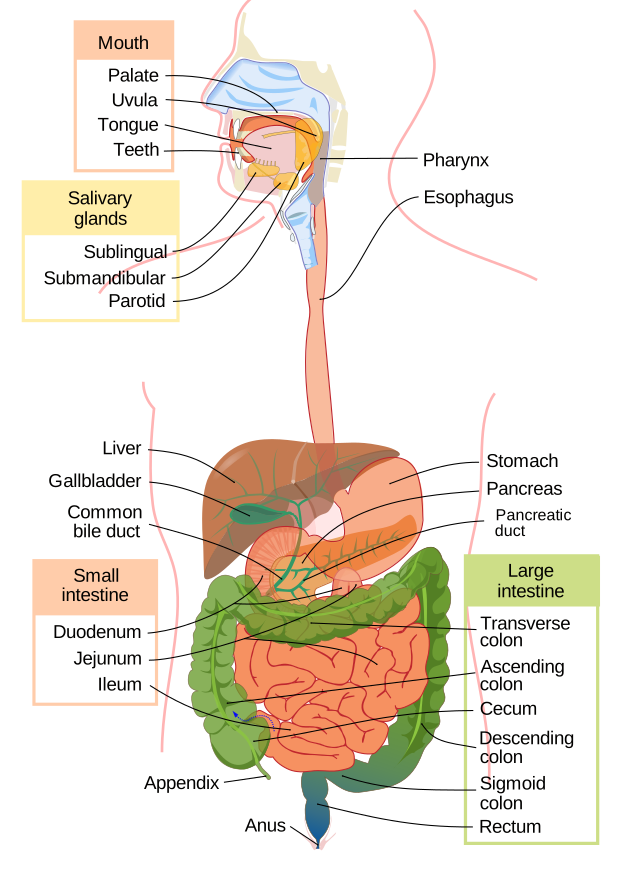
2. The theory — leaky gut, molecular mimicry, and immune activation.
AIP rests on a specific causal story. It goes like this: certain foods increase the permeability of the gut lining ("leaky gut"); a leakier gut lets food proteins and bacterial fragments cross into the bloodstream; the immune system reacts to these; and through a process of mistaken identity, that reaction spills over into an attack on the body's own tissues. Remove the offending foods, the theory says, and you calm the whole cascade.
The individual links in that chain are real biology — which is what makes the story compelling. The problem is that demonstrating each link in isolation is not the same as proving the whole chain drives human autoimmune disease, let alone that AIP reverses it. Take the links one at a time:
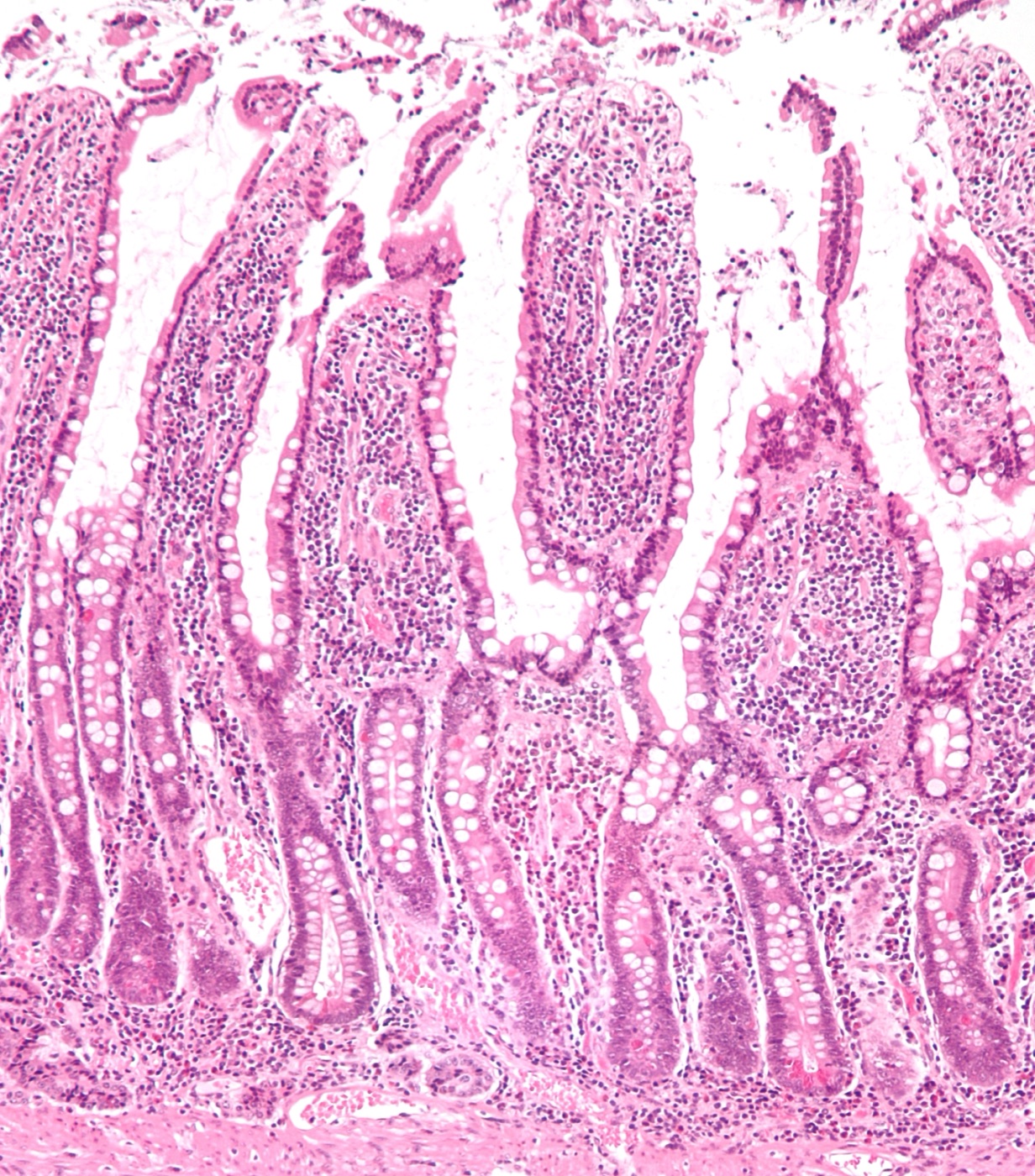
Intestinal permeability is regulated and can change. Alessio Fasano's group identified zonulin, a protein that loosens the tight junctions between gut-lining cells, and showed that increased permeability is associated with several autoimmune diseases — most robustly celiac disease and type 1 diabetes[5,6]. A 2017 review framed leaky gut as a plausible "danger signal" upstream of autoimmunity[7]. This is the strongest link in the chain — but "associated with" is not "caused by," and zonulin as a clinical marker remains debated.
Some foods do increase permeability — in specific settings. Gliadin (a gluten fraction) increased permeability in human intestinal biopsies from celiac patients, gluten-sensitive patients, and non-celiac controls in the Hollon 2015 study[10]. Potato glycoalkaloids (a nightshade compound) worsened permeability and aggravated colitis in a mouse IBD model[11]. These findings are real and they are exactly why gluten and nightshades are on the AIP list — but they are mostly ex-vivo or animal data, often at high doses, and do not establish that ordinary dietary amounts cause disease in healthy people.
Molecular mimicry is a genuine mechanism. When a foreign protein resembles a self-protein closely enough, an immune response against the foreign one can cross-react with your own tissue. This is well documented for specific infections (e.g., the link between certain bacteria and reactive arthritis or Guillain-Barré)[8,9]. Whether dietary proteins routinely trigger clinically meaningful mimicry is far less established.
So the honest summary of the theory: every individual mechanism is real, but the complete causal chain from "eating a tomato" to "autoimmune flare" has not been demonstrated in humans. AIP takes a set of true mechanistic fragments and assembles them into a confident clinical claim that the evidence does not yet support.
3. What gets eliminated — and the honest strength of each rationale.
Here is the full elimination list, the reason AIP gives for each, and a blunt grade of how much evidence actually supports that reason in humans. "Theoretical" means the rationale is mechanistic only; "weak" means there is some human signal but it is thin or indirect.
| Eliminated | AIP's stated reason | Evidence grade |
|---|---|---|
| Grains (incl. gluten) | Gliadin increases gut permeability; lectins irritate the gut lining | Weak–moderate. Gliadin raises permeability in biopsies of everyone tested[10]; clinical relevance outside celiac/NCGS is unproven. |
| Legumes | Lectins and saponins may irritate the gut and increase permeability | Theoretical. Mostly in-vitro; cooking destroys most lectins; legumes are net-beneficial in most population data. |
| Dairy | Casein/whey proteins as immune triggers; common intolerance | Weak. Real for the lactose-intolerant and milk-allergic; no autoimmune-specific trial evidence. |
| Eggs | Lysozyme in egg white may ferry proteins across the gut wall | Theoretical. Mechanistic hypothesis only. |
| Nuts & seeds | Hard-to-digest proteins, phytic acid, gut irritation | Theoretical. Outweighed for most people by their fibre and micronutrient value. |
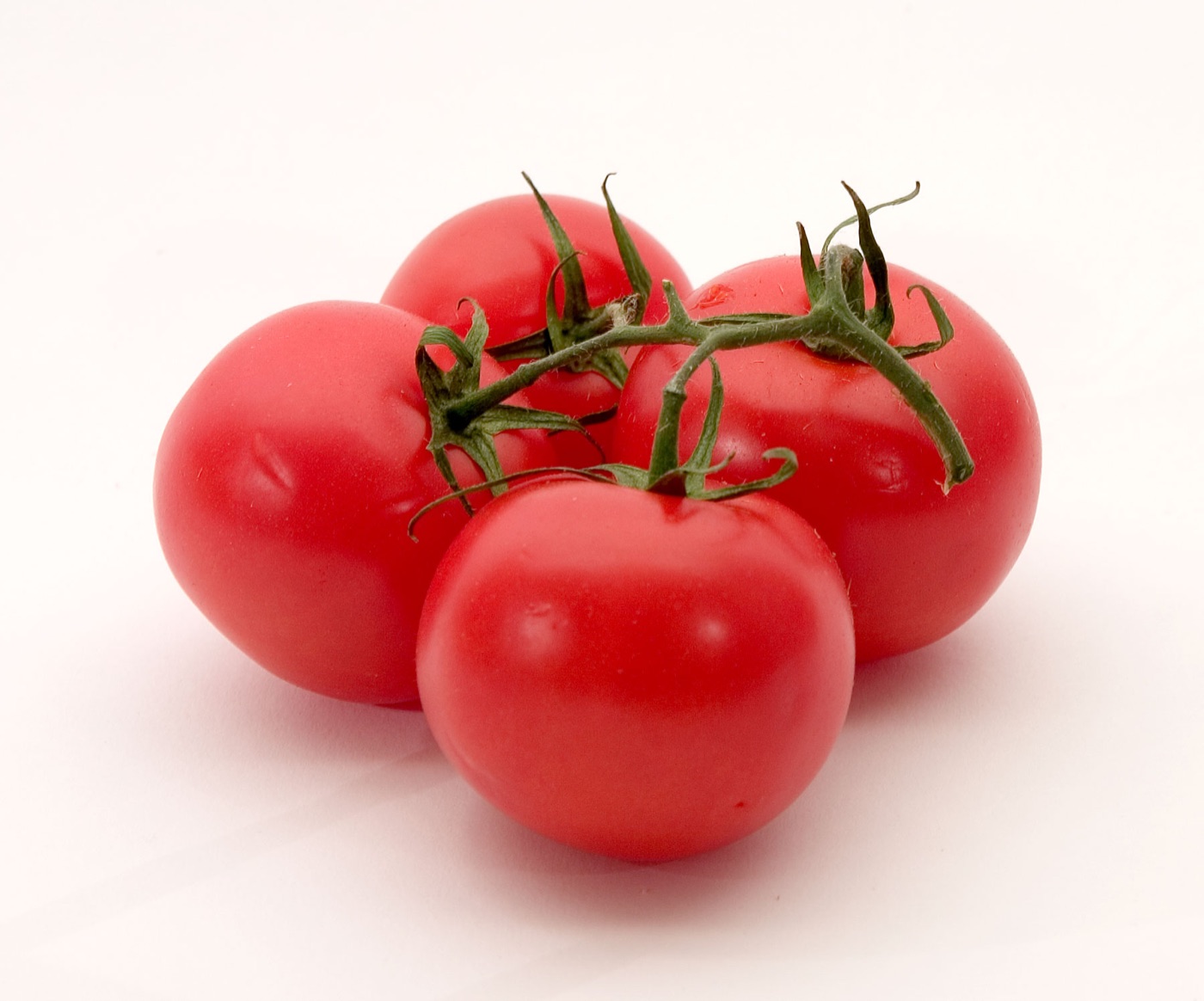
| Nightshades (tomato, potato, peppers, eggplant) | Glycoalkaloids (solanine, chaconine) increase permeability | Weak. Potato glycoalkaloids worsened a mouse colitis model[11]; no controlled human data. |
| Seed / vegetable oils | High omega-6, pro-inflammatory balance | Weak/contested. The omega-6-inflammation story is more nuanced than diet marketing implies. |
| Refined sugar & alcohol | Feed dysbiosis, promote inflammation | Moderate (general health). Cutting these is sound advice independent of AIP. |
| Additives & emulsifiers; excess salt | Disrupt the gut barrier and microbiome; salt drives Th17 cells | Weak–moderate. High salt boosted pathogenic Th17 cells and worsened a mouse autoimmune model[12]; emulsifier data is mostly preclinical. |
Notice the pattern: the rationales graded "moderate" (cut refined sugar, alcohol, ultra-processed food, excess salt) are exactly the ones that are good general nutrition advice anyway[14]. The rationales unique to AIP (eliminating eggs, legumes, nightshades, nuts) are the ones graded "theoretical." This matters for interpreting the trials in §4.
4. What the trials actually showed — the honest core.
This is the section most AIP content skips or oversells. Here is the complete human trial evidence, in full, with its limitations stated plainly.
The IBD pilot — Konijeti 2017
The most-cited study enrolled 15 adults with active Crohn's disease or ulcerative colitis through a 6-week elimination followed by a 5-week maintenance phase. By week 6, 11 of the 15 (73%) achieved clinical remission, and that subgroup maintained it through maintenance[1]. A follow-on analysis reported improved quality-of-life scores[2], and a third paper found changes in intestinal RNA expression consistent with reduced inflammation[3].
That sounds impressive — and a 73% remission signal in IBD genuinely warrants a real trial. But look at what's missing: no control group, no blinding, n=15, and participants received intensive dietitian support throughout. With no control arm, there is no way to separate the effect of AIP specifically from (a) removing ultra-processed food, (b) the weight loss and dietary attention, (c) the support and monitoring, or (d) regression to the mean and placebo. Several of the IBD patients were also on concurrent medication.
The Hashimoto's pilot — Abbott 2019
The other pilot put 16 women with Hashimoto's thyroiditis through a 10-week AIP-plus-lifestyle program. Quality-of-life scores and self-reported symptom burden improved significantly[4]. But thyroid antibodies and thyroid function (TSH, free T4) did not significantly change — the disease markers stayed put even as people felt better. And, again: no control group, n=16, and a bundled multi-disciplinary intervention (the diet came packaged with stress-management and lifestyle coaching), so the diet itself can't be isolated.
| Study | n / design | What improved | Key limitation |
|---|---|---|---|
| Konijeti 2017 (IBD)[1] | 15, open-label, uncontrolled | 73% clinical remission at wk 6; QoL; mucosal RNA markers | No control arm; tiny n; concurrent meds; intensive support |
| Abbott 2019 (Hashimoto's)[4] | 16, open-label, uncontrolled | QoL + symptom burden | No control; antibodies + thyroid function unchanged; bundled lifestyle program |
That is the entire human trial base. Two uncontrolled pilots, ~31 people, both showing symptom/QoL improvement and both unable to attribute it to AIP specifically. There are no randomized controlled trials. There are no studies in lupus, rheumatoid arthritis, MS, psoriasis, or any other autoimmune condition — only mechanism and extrapolation. Anyone telling you AIP is "proven" for autoimmune disease is overstating the evidence by a wide margin.
5. The reintroduction ladder — where the real value is.
If AIP has a defensible use, it is as a personalized elimination test: strip the diet down, let symptoms settle, then add foods back one at a time to find which (if any) actually affect you. The reintroduction is more important than the elimination, because it is the only part that generates information you can act on. Done without it, AIP is just an open-ended restrictive diet.
The standard approach reintroduces foods in rough order of least-to-most likely to provoke symptoms, one food every 5–7 days, in a small-then-larger test dose, while keeping a symptom log:
| Stage | Typical foods |
|---|---|
| Stage 1 (lowest risk) | Egg yolks, ghee, seed-based spices, occasional legumes (green beans, peas), nut/seed oils |
| Stage 2 | Nuts & seeds, egg whites, cocoa/chocolate, coffee |
| Stage 3 | Nightshades (start with peeled, deseeded), other legumes, grass-fed butter |
| Stage 4 (highest risk) | Gluten-free grains, then gluten grains, dairy, alcohol |
The rules that make it informative: change one variable at a time; wait 5–7 days before judging (delayed reactions are common); log symptoms daily; if a food provokes symptoms, drop it, let things settle, and continue. The endpoint is a personalized list — the foods you tolerate (most of them, for most people) and the few you don't.
One honest caveat even here: a self-reported, unblinded reintroduction is vulnerable to expectation bias. If you "know" nightshades are bad, you are more likely to notice symptoms when you reintroduce them. The log helps, but a formal food-intolerance workup with a dietitian is more reliable when a specific trigger really matters.
6. What you actually eat — food lists and a sample day.
| Eat freely | Avoid in elimination |
|---|---|
| Meat, poultry, fish, shellfish, organ meats; bone broth | All grains (wheat, rice, oats, corn) and pseudo-grains (quinoa) |
| Most vegetables (leafy greens, crucifers, roots, squash) | Nightshades: tomato, potato, peppers, eggplant, chili spices |
| Fruit in moderation; olives, avocado | All legumes (beans, lentils, peanuts, soy) |
| Olive, coconut, avocado oil; animal fats | Dairy and eggs |
| Fermented foods (sauerkraut, kombucha, coconut kefir) | Nuts, seeds, and seed-based spices (incl. coffee initially) |
| Herbs (non-seed), sea salt in moderation, vinegars | Seed/vegetable oils, refined sugar, alcohol, additives |
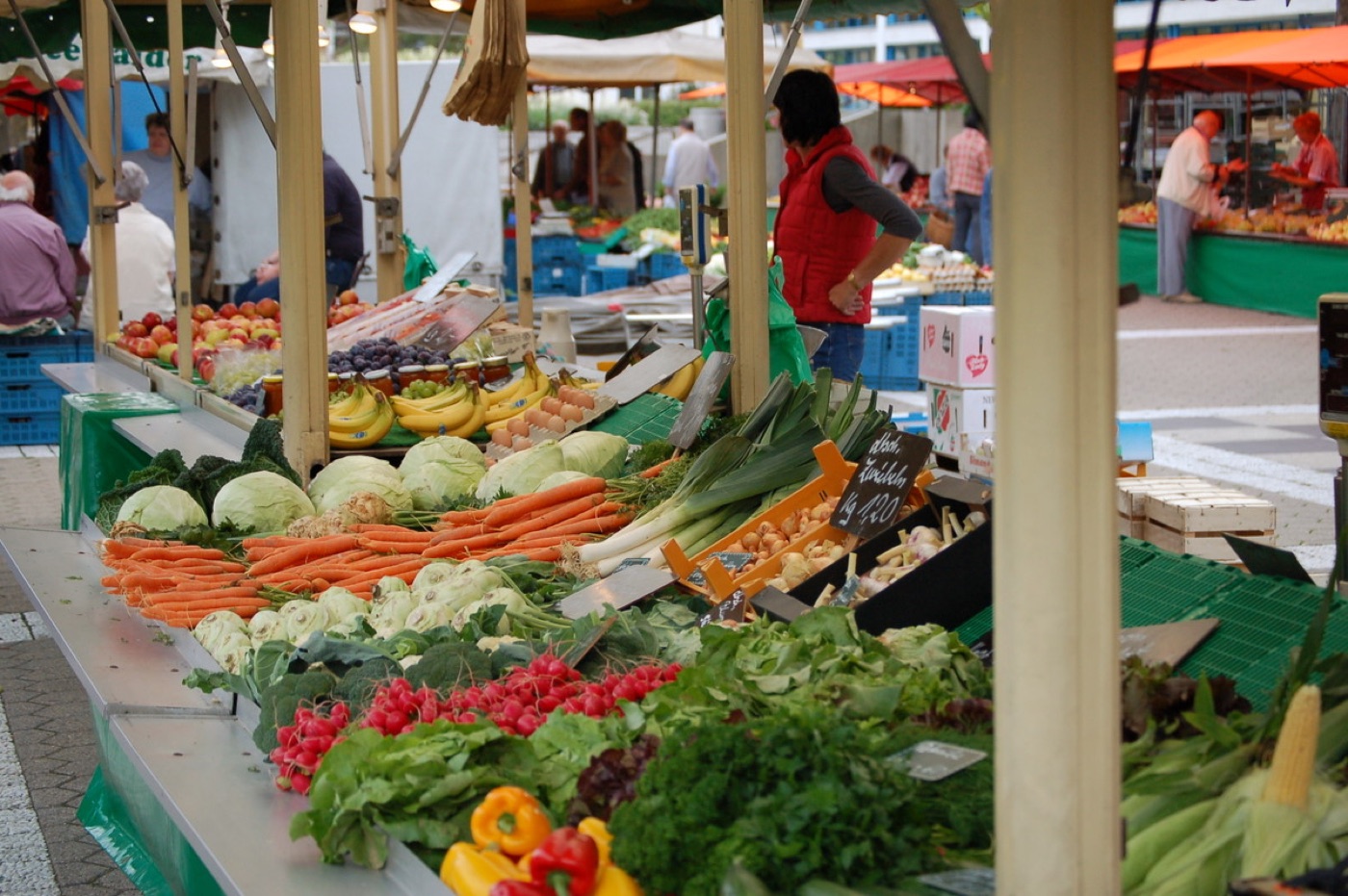
A sample elimination-phase day: breakfast — salmon with sautéed greens and avocado; lunch — large salad with roast chicken, olive oil, and fermented vegetables; dinner — beef-and-vegetable soup in bone broth with roasted squash and broccoli; snacks — fruit, olives, coconut. It is workable, but note how much of it depends on cooking from scratch — convenience and eating out get hard fast, which is the single biggest reason people abandon it.
Mind the fibre and fermented foods. Vegetables, fruit, and fermented foods are doing real work here: dietary fibre is fermented by gut bacteria into short-chain fatty acids like butyrate, which support regulatory T cells that keep the immune system balanced[13]. If an AIP plan becomes heavily meat-based and low in plants, it loses one of its few mechanistically defensible benefits. Keep the plate plant-forward.
7. The real risks — this is not a free experiment.
Because AIP is "just food," it is marketed as risk-free. It is not. The downsides are real and, for some people, serious.
Nutritional adequacy. Removing grains, legumes, dairy, eggs, nuts, and seeds at once strips out major sources of fibre, calcium, and several B vitamins. Studies of food-exclusion diets in IBD found significantly higher rates of malnutrition and lower intakes of calcium, vitamin A, and zinc in the exclusion group. A long or poorly-planned AIP can leave you worse off nutritionally than where you started — which is exactly why dietitian oversight is not optional.
Disordered eating — the most under-stated risk. A rigid diet with a long forbidden-foods list, framed around "clean" and "inflammatory" foods, is a known pathway into orthorexia nervosa — an obsessive preoccupation with eating "correctly" that damages quality of life[15]. People who already adopt diets for "digestive issues" are at elevated orthorexia risk. And avoidant/restrictive food intake disorder (ARFID) is notably common in people with IBD[16] — the exact population most drawn to AIP. If you have any history of an eating disorder, AIP is not a casual experiment, and self-directing it is a bad idea.
Social and psychological cost. The diet is hard to sustain, makes shared meals and eating out difficult, and can become socially isolating. That burden is itself a health cost and a major reason adherence collapses.
Delaying real treatment. The most dangerous failure mode is treating AIP as a substitute for medical care — stopping medication, skipping monitoring, or delaying a flare's proper treatment because "the diet is handling it." For IBD especially, undertreated inflammation causes irreversible damage. AIP is, at most, an adjunct. Never stop prescribed treatment to do it.
8. Who might reasonably try it — and the better-evidenced moves first.
Given all of the above, a defensible position is: AIP is a reasonable time-boxed, supervised self-experiment for a specific person — someone with an autoimmune condition (ideally IBD or Hashimoto's, where the only pilot data exist), with a meaningful symptom burden, no eating-disorder history, the capacity to run it properly, and clinician/dietitian support. For that person, a 4–6 week elimination with a real reintroduction plan has a plausible upside and manageable risk.
For everyone else, the better-evidenced and lower-cost moves come first, because much of AIP's reported benefit probably comes from these anyway:
- Cut ultra-processed food, refined sugar, and excess alcohol. This overlaps with AIP's best-graded eliminations and is sound regardless of autoimmune status[14].
- Eat more plants and fibre, and fermented foods. The short-chain-fatty-acid → regulatory-T-cell axis is the most defensible immune mechanism in the whole field[13].
- If you suspect a specific trigger (gluten, dairy), test that one thing with a dietitian rather than eliminating ten food groups at once.
- Optimize the basics — sleep, stress, and movement all modulate immune function and are free of nutritional downside.
In short: AIP is neither a miracle nor a scam. It is an unproven but plausible structured elimination diet whose real value, if any, is personalized trigger-finding — and whose reported benefits substantially overlap with simply eating less junk and more plants.
9. Should you try it? An interactive readiness self-assessment.
Fifteen items mapped to the considerations above. Tick what's true for you. Instead of a single score, the panel profiles four lanes — your symptom burden, whether your condition has any supporting data, how ready you are to run the protocol properly, and any caution flags — and surfaces the questions worth bringing to a clinician. Nothing is sent anywhere; it is saved only to your own browser so you can revisit and update it.
Tick what's true for you. Instead of a single score, the panel below shows a profile across four lanes — your symptom burden, whether your condition has any supporting data, how ready you are to run the protocol properly, and any caution flags — and surfaces the questions worth bringing to a clinician. Saved to this browser only; nothing is submitted anywhere.
The whole point of AIP is the reintroduction phase — that is where you actually learn anything. Without the time to cook, a way to track symptoms, and a plan to reintroduce foods, a strict elimination just becomes an open-ended restrictive diet with downside and no payoff. Sort the logistics first.
Frequently asked questions.
- Is the autoimmune protocol diet scientifically proven to work?
- No. As of 2026 the entire human evidence base for AIP is a handful of small, uncontrolled pilot studies — about 15 people with inflammatory bowel disease (Konijeti 2017) and about 16 with Hashimoto's thyroiditis (Abbott 2019). Both reported symptom and quality-of-life improvements, but neither had a control group, so the benefit cannot be separated from removing ultra-processed food, losing weight, the structured support, or placebo effects. AIP is plausible and low-risk for many people, but it is not proven.
- How long does the AIP elimination phase last?
- Most protocols run a strict elimination for 4–6 weeks, or until symptoms meaningfully improve, before starting structured reintroduction. The elimination phase is not meant to be permanent — the goal is to identify your personal triggers and then expand the diet back to the widest tolerable range.
- What foods are eliminated on AIP?
- Grains, legumes, dairy, eggs, nuts and seeds (including seed-based spices), nightshade vegetables (tomato, potato, peppers, eggplant), seed/vegetable oils, refined sugar, alcohol, coffee for some, and most food additives and emulsifiers. The allowed core is meat, fish, most vegetables (except nightshades), fruit in moderation, and certain fats like olive and coconut oil.
- Who should not try AIP?
- Anyone with a history of disordered eating, anyone underweight or undernourished, pregnant or breastfeeding people, children, and anyone who cannot arrange clinician or dietitian oversight. A highly restrictive elimination diet can cause nutritional deficiencies and can trigger or worsen disordered-eating patterns, so it is not a casual experiment.
References.
Every PMID below has been verified against PubMed before this page was committed. Click any number in square brackets above to jump to its entry below; click "PubMed" to open the paper.
- Konijeti GG, Kim N, Lewis JD, Groven S, Chandrasekaran A, Grandhe S, Diamant C, Singh E, Oliveira G, Wang X, Molparia B, Torkamani A. Efficacy of the Autoimmune Protocol Diet for Inflammatory Bowel Disease. Inflamm Bowel Dis. 2017;23(11):2054–2060. PubMed: 28858071
- Chandrasekaran A, Groven S, Lewis JD, Levy SS, Diamant C, Singh E, Konijeti GG. An Autoimmune Protocol Diet Improves Patient-Reported Quality of Life in Inflammatory Bowel Disease. Crohns Colitis 360. 2019;1(3):otz019. PubMed: 31832627
- Chandrasekaran A, Molparia B, Akhtar E, Wang X, Lewis JD, Chang JT, Oliveira G, Torkamani A, Konijeti GG. The Autoimmune Protocol Diet Modifies Intestinal RNA Expression in Inflammatory Bowel Disease. Crohns Colitis 360. 2019;1(3):otz016. PubMed: 32309803
- Abbott RD, Sadowski A, Alt AG. Efficacy of the Autoimmune Protocol Diet as Part of a Multi-disciplinary, Supported Lifestyle Intervention for Hashimoto's Thyroiditis. Cureus. 2019;11(4):e4556. PubMed: 31275780
- Fasano A. Leaky gut and autoimmune diseases. Clin Rev Allergy Immunol. 2012;42(1):71–78. PubMed: 22109896
- Fasano A. Zonulin, regulation of tight junctions, and autoimmune diseases. Ann N Y Acad Sci. 2012;1258:25–33. PubMed: 22731712
- Mu Q, Kirby J, Reilly CM, Luo XM. Leaky Gut As a Danger Signal for Autoimmune Diseases. Front Immunol. 2017;8:598. PubMed: 28588585
- Cusick MF, Libbey JE, Fujinami RS. Molecular mimicry as a mechanism of autoimmune disease. Clin Rev Allergy Immunol. 2012;42(1):102–111. PubMed: 22095454
- Rojas M, Restrepo-Jiménez P, Monsalve DM, Pacheco Y, Acosta-Ampudia Y, Ramírez-Santana C, Leung PSC, Ansari AA, Gershwin ME, Anaya JM. Molecular mimicry and autoimmunity. J Autoimmun. 2018;95:100–123. PubMed: 30509385
- Hollon J, Puppa EL, Greenwald B, Goldberg E, Guerrerio A, Fasano A. Effect of gliadin on permeability of intestinal biopsy explants from celiac disease patients and patients with non-celiac gluten sensitivity. Nutrients. 2015;7(3):1565–1576. PubMed: 25734566
- Patel B, Schutte R, Sporns P, Doyle J, Jewel L, Fedorak RN. Potato glycoalkaloids adversely affect intestinal permeability and aggravate inflammatory bowel disease. Inflamm Bowel Dis. 2002;8(5):340–346. PubMed: 12479649
- Kleinewietfeld M, Manzel A, Titze J, Kvakan H, Yosef N, Linker RA, Muller DN, Hafler DA. Sodium chloride drives autoimmune disease by the induction of pathogenic TH17 cells. Nature. 2013;496(7446):518–522. PubMed: 23467095
- Smith PM, Howitt MR, Panikov N, Michaud M, Gallini CA, Bohlooly-Y M, Glickman JN, Garrett WS. The microbial metabolites, short-chain fatty acids, regulate colonic Treg cell homeostasis. Science. 2013;341(6145):569–573. PubMed: 23828891
- Zinöcker MK, Lindseth IA. The Western Diet-Microbiome-Host Interaction and Its Role in Metabolic Disease. Nutrients. 2018;10(3):365. PubMed: 29562591
- Cena H, Barthels F, Cuzzolaro M, Bratman S, Brytek-Matera A, Dunn T, Varga M, Missbach B, Donini LM. Definition and diagnostic criteria for orthorexia nervosa: a narrative review of the literature. Eat Weight Disord. 2019;24(2):209–246. PubMed: 30414078
- Yelencich E, Truong E, Widaman AM, Pignotti G, Yang L, Jeon Y, Weber AT, Shah R, Smith J, Sauk JS, Limketkai BN. Avoidant Restrictive Food Intake Disorder Prevalent Among Patients With Inflammatory Bowel Disease. Clin Gastroenterol Hepatol. 2022;20(6):1282–1289.e1. PubMed: 34389486
Related on Aayushnitya
- Gut Microbiome Guide →
The mechanism AIP rests on, in depth — intestinal permeability, the gut–immune interface, molecular mimicry, and the dietary-fibre → short-chain-fatty-acid → regulatory-T-cell axis that is the field's best-evidenced lever.
- Fasting Guide →
The fasting-mimicking diet has the more defensible autoimmune evidence (immune-cell regeneration, an MS model + small human cohort) — a useful contrast for what stronger dietary-intervention evidence looks like.
- Vitiligo Guide →
A worked example of the same honest-evidence standard: §9 there grades food-elimination diets as unsupported for vitiligo. Consistent reasoning, applied to a different autoimmune condition.
- hs-CRP Interpreter →
If you run a time-boxed AIP trial, an objective inflammation marker beats self-reported symptoms alone. Check your number before and after.
- Protein Calculator →
An elimination diet drops whole food groups at once — guard nutritional adequacy. Start with a sensible protein target while you cook from scratch.
This guide is a synthesis of peer-reviewed research and is not medical advice. The AIP diet has only preliminary, uncontrolled evidence; it is not a treatment for any autoimmune disease and is never a substitute for prescribed medication or medical monitoring. A restrictive elimination diet can cause nutritional deficiency and can trigger or worsen disordered eating — anyone with a history of an eating disorder, who is underweight, pregnant, breastfeeding, or a child should not attempt it without specialist supervision. Discuss any major dietary change with a qualified clinician and a registered dietitian. The interactive self-assessment is a discussion aid, not a diagnostic instrument.